


Creatine for Runners, Cyclists and Triathletes: Not Race Fuel, But a Serious Training Tool

What you'll learn:
- Why creatine is not race fuel, but can still be useful for runners, cyclists and triathletes
- How it may support hill reps, intervals, climbs, surges, sprint finishes and strength work
- Why weight gain concerns matter, and how to test creatine sensibly in training
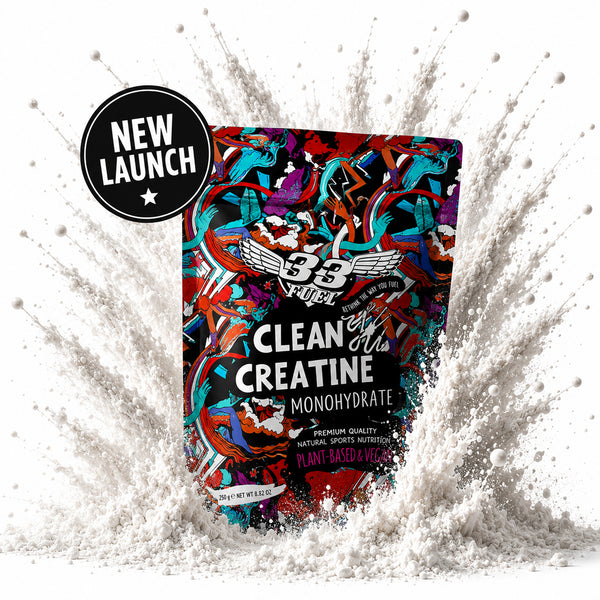
Creatine has spent too long trapped in the bodybuilding aisle. That has made a lot of runners, cyclists and triathletes dismiss it before giving it a proper hearing. Runners think it is for people trying to get bigger. Cyclists worry about weight. Triathletes already have enough powders, bottles, shoes, gadgets and existential dread to deal with before anyone tries to add another tub to the kitchen shelf.
Those concerns make sense. People who care about long-distance sport are right to be sceptical of anything that sounds like gym-bro cult nutrition. But creatine is not just for lifters, and it is not race fuel either. It does not replace carbohydrate, electrolytes, sodium, water, gels, chews, bananas, dates, rice cakes, oats or proper recovery food. Creatine does something different: it supports the energy system behind repeated high-intensity efforts.

Lace up. With creatine in your system, you'll enjoy punch harder!
That matters because endurance sport is not always steady, polite and aerobic. Sometimes it punches you in the face.
Endurance sport is not just endurance
A marathon is not just jogging for a long time. A sportive is not just turning the pedals until someone hands you a medal and a flapjack. A triathlon is not one long smooth effort where nothing ever changes and your legs behave like well-trained employees.
Real endurance sport includes surges, climbs, accelerations, attacks, overtakes, transitions, headwinds, technical sections, sprint finishes and the deeply unfair moment when someone decides to increase the pace just as your body has filed a formal complaint.
Those are repeat-effort moments. That is where creatine becomes interesting. The authorised performance claim for creatine is that it increases physical performance in successive bursts of short-term, high-intensity exercise, with the beneficial effect obtained from 3g creatine daily.
This does not mean creatine becomes a marathon gel. It means creatine may belong around the training that helps you become stronger, more powerful and better able to handle changes in pace.

Yes - even marathon run training will benefit from creatine supplementation
What the research says for endurance sport
The endurance picture is more nuanced than the strength and power picture, which is exactly why this conversation needs honesty. A 2021 review on creatine for exercise and sports performance notes that reported benefits include improved force output, power output and strength, but also that findings are mixed for intermittent and continuous endurance-type exercise.
That is not a problem. It is the point. Creatine is not being suggested here as a magic endurance booster. It is better understood as a training tool for the high-intensity, strength and power work that supports the endurance sports you already love.
In other words, do not take creatine because you think it will replace long runs, bike volume or swim fitness. Consider it because your training might include hill reps, gym work, intervals, accelerations, climbs and repeated hard efforts where power matters.
Where runners may use creatine

Whatever your run training phase, creatine will support your progress
For runners, creatine is most relevant around sessions that demand force and repeat power. That includes hill reps, track intervals, sprint finishes, gym strength blocks, plyometrics, return-to-training phases and speed development.
Running performance is not just lungs and grit. It is also force production, tendon stiffness, neuromuscular coordination, posture, stride control and the ability to hold form when tired. Anyone who has ever seen their race photos from mile 24 knows that “form when tired” is not a small detail. It is the difference between running and gradually folding into a deckchair.
Creatine will not replace your long run. It will not make easy miles unnecessary. It may support the harder training that makes your easy miles, hills and late-race form more resilient.
Where cyclists may use creatine
Cycling is full of creatine-relevant moments. Short climbs, breakaways, repeated accelerations, sprint finishes, standing efforts, low-cadence strength blocks, track work and gym sessions all ask for high power output.

Whether you're a Cat 1 or recreational rider, creatine has it's place
A cyclist rarely wins because they rode at exactly the same effort forever. Racing often splits when someone changes pace and others cannot respond. Even recreational cycling has these moments: the climb that bites, the friend who is “definitely not racing” but absolutely is, and the final town-sign sprint that somehow becomes the Olympic final every Sunday.
Creatine is not a replacement for endurance conditioning, but it can make sense in training blocks that build power, strength and repeated hard effort. The key is to match the tool to the session, not to expect one daily serving to do the job of a smart training plan.
Where triathletes may use creatine
Triathlon is an endurance sport, but triathletes are really hybrid athletes with a calendar problem. They need swim strength, bike power, run durability, transition sharpness and enough muscle resilience to tolerate training across three sports.
Creatine may fit best in triathlon during winter strength blocks, hill phases, high-intensity intervals, gym work and general power development. It is not something to introduce for the first time on race week, because race week is already where calm decision-making goes to die.
Use it in training first. See how your body responds. Keep what works and ignore what does not.

Creatine will support your triathlon training
What about weight gain?
This is the honest endurance question. Creatine can increase body weight slightly because it helps muscles store more water. That water is stored inside muscle, not as fat.
For many people, this is not a problem. For some weight-sensitive runners, riders and triathletes, especially around key races, it is worth testing during training rather than discovering on the start line. The answer is not fear. The answer is context.
Use creatine in a training block, track how you feel, track how you perform and track whether the scale changes actually matter to your sport. Endurance culture has a long and suspicious relationship with weighing itself, but a number on a scale does not tell the whole story. Legs that can produce power when the road tilts up or the pace lifts? That is useful information too.
How should runners, cyclists and triathletes take creatine?
The simple answer is daily. You do not need to take creatine right before a run, ride or swim expecting an instant lift. It does not work like caffeine. You build and maintain stores over time.

Creatine is a simple supplement to add to your daily routine
A practical approach is to take a daily serving during a training block, especially when strength, power, hill work, intervals or gym training are part of the plan. Do not introduce it for the first time before an A race. Do not change seven things at once and then wonder which one made your stomach sound like a haunted washing machine.
Test it in training. That is where smart decisions are made.
The honest conclusion
Runners, cyclists and triathletes do not need more performance theatre. They need tools that are clear, useful and honest. Creatine is not a gel, a drink mix, a carb replacement or a rescue package for a bad pacing plan.
It is a training tool for repeat high-intensity output, whether that is on the track, road, trail, bike, turbo, gym floor or final climb. So no, creatine is not race fuel. But if your sport includes surges, climbs, intervals, strength work, accelerations and hard repeats, it may be more relevant than you thought.
Not every useful tool looks like it belongs in your sport at first glance. Sometimes it was just stuck in the wrong aisle.
More performance boosting content
From the YouTube Channel
From the Blog
How to lose fat without losing muscle
Testosterone by age - what happens in your 40s, 50s and 60s
How to lose belly fat - naturally