



Fibre for Performance: Gut Health, Energy & Real Food Fueling

What if the most overlooked nutrient in your diet was the one quietly limiting your performance?
Fibre isn’t just 'good for digestion”. It’s a foundational performance nutrient - supporting gut health, stable energy, recovery and long-term resilience. And yet, it’s routinely stripped out of modern diets and sports nutrition alike as ultraprocessing (UPF) runs wild.
If you care about performance today and health tomorrow, fibre needs a central place in your fueling strategy.
Fibre for Performance - Key Takeaways
Why Fibre Matters for Performance
- Stabilises energy and blood sugar during training
- Supports gut health and immune resilience
- Reduces GI distress during sustained exercise
- Improves recovery and long-term health

Eye-Opening Fibre Facts
Over 90% of UK adults fail to meet the NHS’s 30g daily fibre target with the average Brit getting just 18g a day. Yet increased dietary fibre delivers:
- Up to 30% lower risk of major chronic diseases
- 20-25% lower risk of early death
- Every ~7g increase in daily fibre intake is linked to a 9% reduction in heart-attack risk
In rural populations with naturally high fibre intake well above UK targets consuming 50-100g of fibre per day heart disease is virtually nonexistent.
Fibre’s benefits are jaw-dropping. So why isn’t fibre seen as a performance priority?
What Is Fibre and Why Does It Matter for Performance?
Fibre is the indigestible part of plants. Unlike protein, fat or carbs, it’s not absorbed for energy, but that doesn’t make it less powerful.
There are two fibre types:
- Soluble fibre: dissolves in water to form a gel. It helps lower cholesterol, stabilise blood sugar and feed beneficial gut bacteria.
- Insoluble fibre: helps us digest food, stay ‘regular’ and supports overall gut health.
Both are in whole plant foods like oats, lentils, chia seeds, vegetables and nuts. Crucially, fibre-rich foods don’t arrive alone - they bring minerals, antioxidants and polyphenols that work together to support metabolic efficiency and performance.

Fibre, Gut Health and the Microbiome Performance Link
Fibre is your gut microbiome’s favourite food. That’s the vast ecosystem of bacteria in your digestive tract that influences nearly every key system in your body.
A healthy microbiome enhances immune function, nutrient absorption, inflammation control, hormone regulation and even mood.
When you eat natural fibre from whole food sources, you feed the good bacteria that support all of these processes. Skip fibre, and your gut’s frontline defenders are starved. Over time, that weakens everything from immunity to recovery.
This isn’t just about avoiding bloating.
A strong microbiome means sharper focus on long rides, calmer nerves on race day, and more stable energy for early morning training. This isn’t just gut health, it’s next-level performance.
The Sports Nutrition Fibre Gap
 The sports nutrition industry has a major lack-of-fibre problem.
There’s no fibre in ordinary energy gels, powders or shakes. Why? Because fibre is stripped out by ultra-processing, and almost every sports nutrition product is ultra-processed by design.
To make matters worse, many brands actively promote their products as ‘fibre-free’ - as if fibre were something to fear, or a threat to performance.
Here’s the reality:
- Ultra-processing removes fibre along with antioxidants and essential micronutrients
- Fibre is critical for gut health, blood sugar control, inflammation management and recovery
- Fibre is not a ‘nice-to-have’, it’s the foundation of consistent performance
Strip out fibre and you don’t just lose health benefits, you compromise the very systems performance depends on.

Want fibre-rich performance fuel? Explore our real-food energy range designed to support stable energy and gut health
Fibre for Performance: Energy, Recovery and Resilience
Fibre doesn’t slow you down. It steadies energy, feeds your gut microbiome, and supports mental focus under pressure.


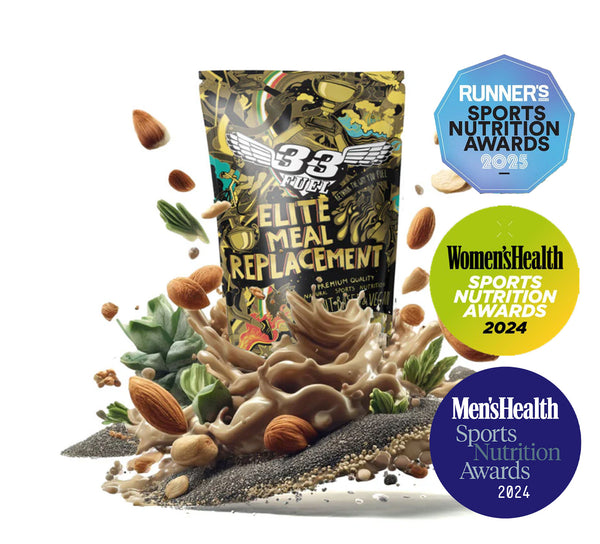
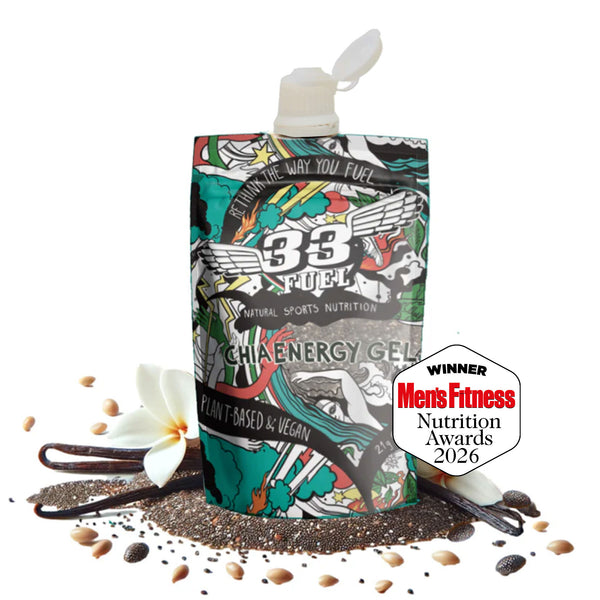
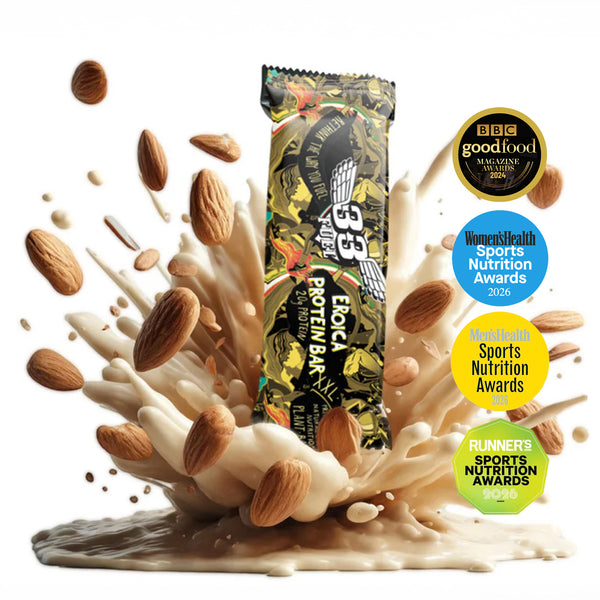
At 33Fuel, we’ve proven for years with athletes at all levels in the world’s toughest races and events that real food - and fibre - can perform, even under duress:
- Our Chia Energy Gel delivers strong, stable energy with no stomach trouble - thanks to its natural fibre content
- Our Rocket Fuel Carb Drink balances performance macros with naturally fibre-rich ingredients. No bloating, no bonking
When you fuel with real food, fibre comes built in, and when fibre is built in your body performs better.

Fibre and Performance: The Overlooked Link
Think fibre’s only about digestion? Think again.
Fibre-rich foods:
- Slow carbohydrate absorption, delivering stable energy without spikes or crashes - ideal for long rides and hard training days
- Support gut integrity, reducing the risk of GI distress during tough sessions or back-to-back training
- Feed beneficial gut bacteria that help regulate inflammation and immune function - crucial when recovery time is limited
- Improve satiety and weight control, supporting healthy body composition and long-term efficiency
When you build meals around real, fibre-rich foods, you’re not just protecting gut health - you’re optimising fuel delivery, stabilising blood sugar, and reducing recovery drag.
That’s a performance edge a fibre-free energy gel or sports drink will never match.
The Fibre Deficit: How Much Do You Really Need?
Most should aim for 30g a day. If you’re active and over 35, increase to 35-40g.
You don’t need complicated meal plans. A few smart swaps and a food-first mindset will get you there.
Five Easy Ways to Get More Fibre Into Your Day
- Start with oats - Add chia, flax, or berries for a fibre boost
- Upgrade snacks - Reach for nuts, seeds, or a 33Fuel Eroica Bar instead of crisps or biscuits
- Switch carbs - Choose brown rice, quinoa or whole wheat pasta over white versions
- Double up on veg - Make vegetables the star of your lunch and dinner plates
- Go legume - Lentils, beans and chickpeas are fibre powerhouses and protein-packed to boot

The Myths That Hold Fibre Back
Despite its benefits, fibre still suffers from some outdated myths that need busting:
- ‘You can’t take on fibre during exercise’ - Our Kona qualifying Ironman triathletes and dozens of sub-3-hour marathon runners who fuel with Chia Energy Gel and Rocket Fuel would strongly disagree.
- ‘Fibre causes bloating’: Only if you add too much too fast. Introduce it gradually and drink enough water to help it move smoothly through your system.
- ‘Fibre’s for old people’: It’s for anyone who wants better energy, recovery and long-term health. So basically every athlete!
- ‘You can’t get fibre from sports nutrition’ - You can if you choose real-food-based products, like those from 33Fuel.
What Is “Fibremaxxing” and Does It Help Performance?
“Fibremaxxing” is a viral wellness trend, especially popular on TikTok, that simply describes intentionally boosting your daily fibre intake, often aiming to meet or exceed recommended targets by eating a wide variety of high-fibre whole plant foods.

While it isn’t a clinical term, many nutrition experts view it as a positive shift in focus because so few people hit their fibre goals and fibre plays key roles in gut health, blood sugar control and long-term wellbeing.
That said, the idea isn’t about extreme, overnight increases or gimmicks. Sustainable performance benefits come from balanced, gradual increases rooted in real food rather than chasing very high gram counts alone.
The Bottom Line: Fibre Is Performance Fuel
If you care about performance, recovery, and long-term health, fibre isn’t optional, it’s essential.
It’s one of the easiest upgrades you can make to your daily fuel and one of the most overlooked performance tools available. From stable energy and faster recovery to gut health and mental focus, fibre works harder than most sports supplements ever will.
And the best part? When you fuel with real food, fibre comes built in. No gimmicks, no side effects, just powerful, natural performance.

That’s the foundation of our Fuelosophy®: Performance today, Health tomorrow, and a Fitter Future for you and the planet.
More performance boosting content
From the YouTube Channel - Lose weight, eat great
From the Blog
Gut health - good and bad foods
Whey protein vs plant protein - which is best?
Joe Wicks' Killer Protein Bar exposes the ultra-processed truth about ordinary sports nutrition


